500 to 4,500 metres. The great advantage of this route is how gently it climbs — your body gets time to catch up with the scenery, rather than the other way round.
Ordered low to high by altitude — adaptation matters more than the checklist order.
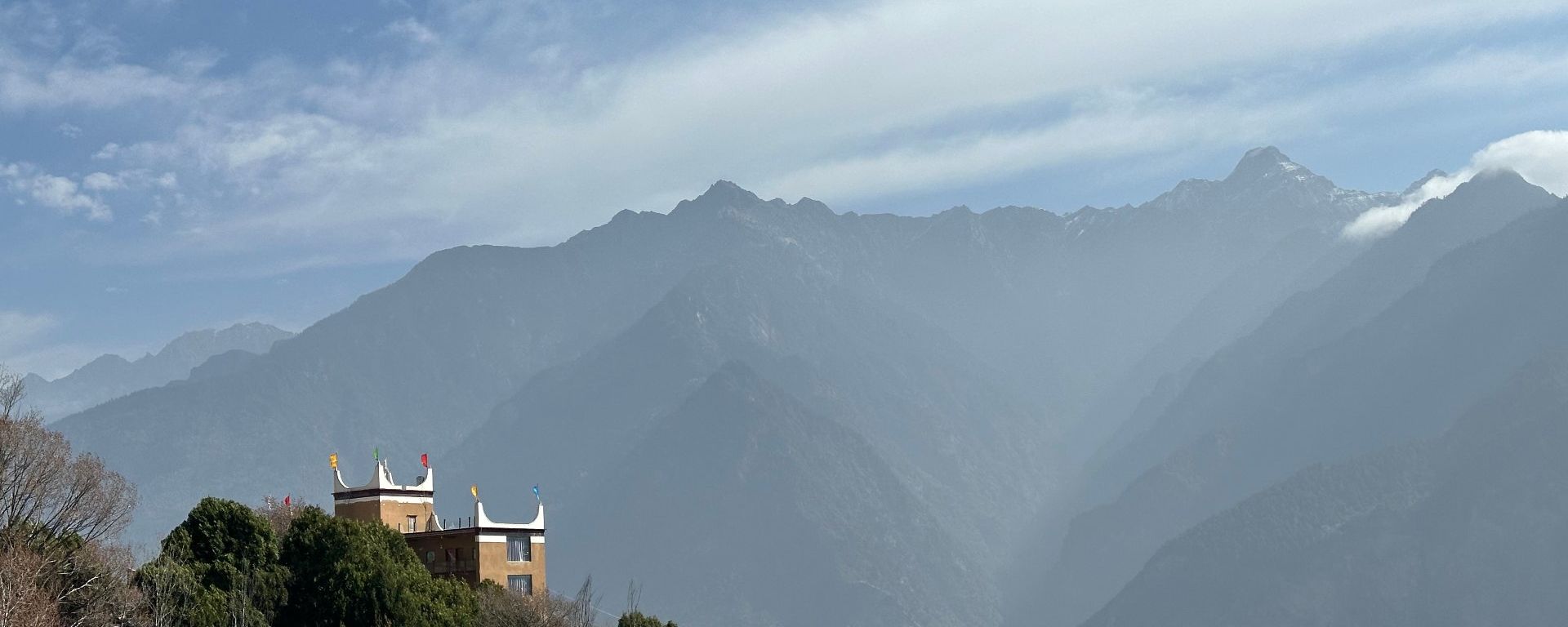
You stay with a family inside the village — not looking at it through a window.
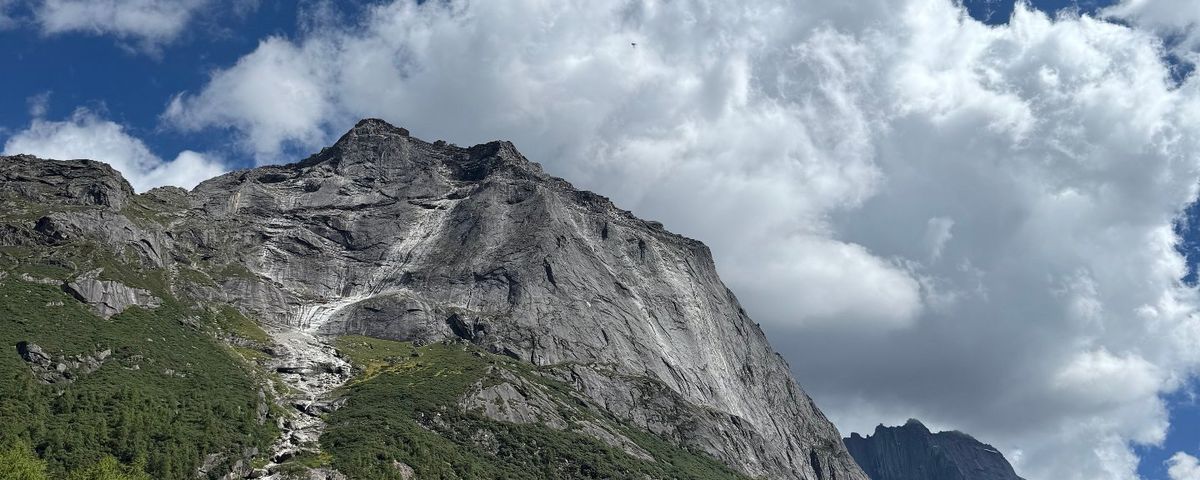
The Maobiliang viewpoint faces the summit directly — in clear weather the driver always stops.
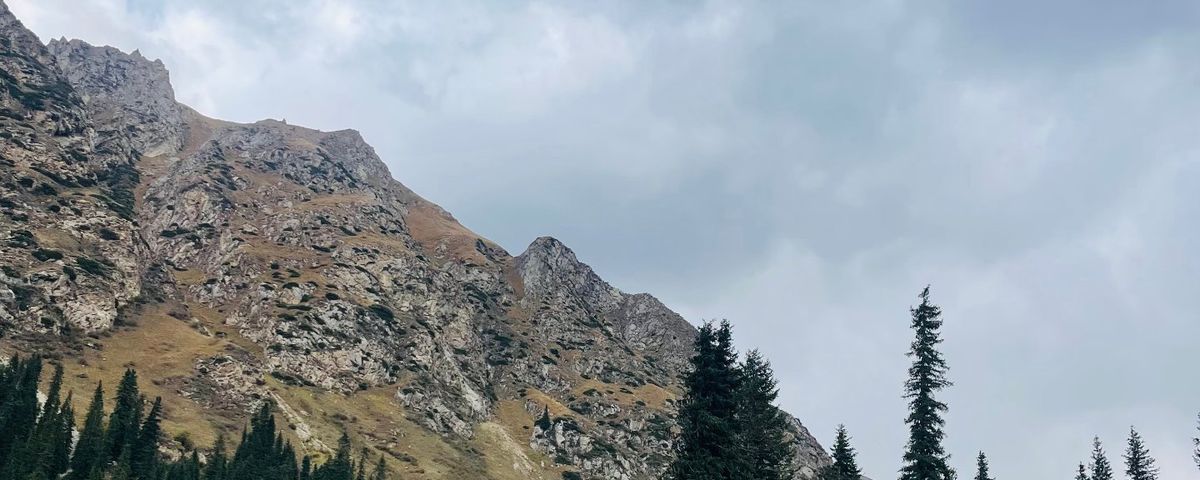
Shuttle bus to a boardwalk — no horse, no pack. Older family members can walk the whole valley.
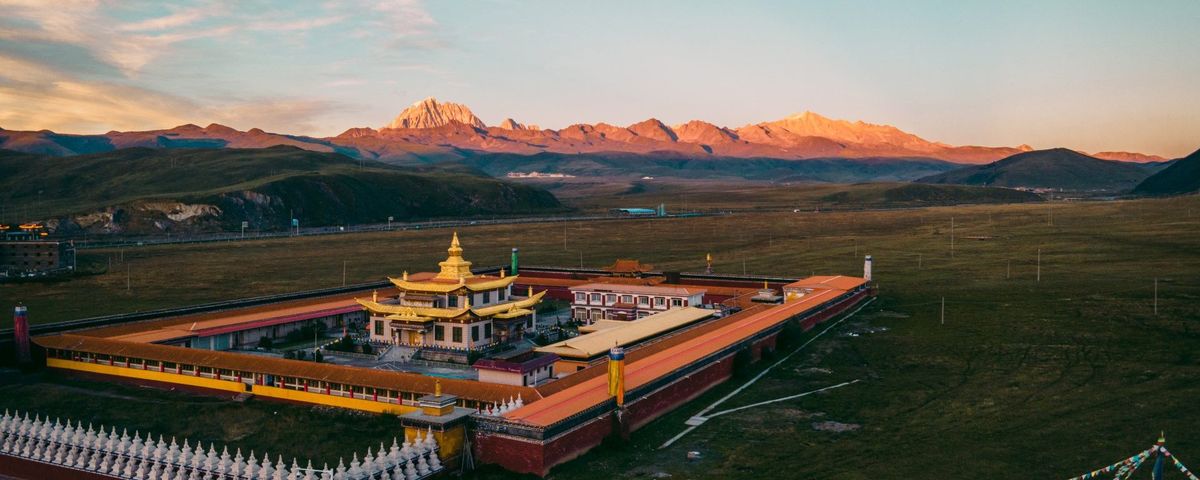
Poplars and barley fields in October — the best light anywhere in western Sichuan.
Entry is by advance reservation; we lock your slot a week before departure.
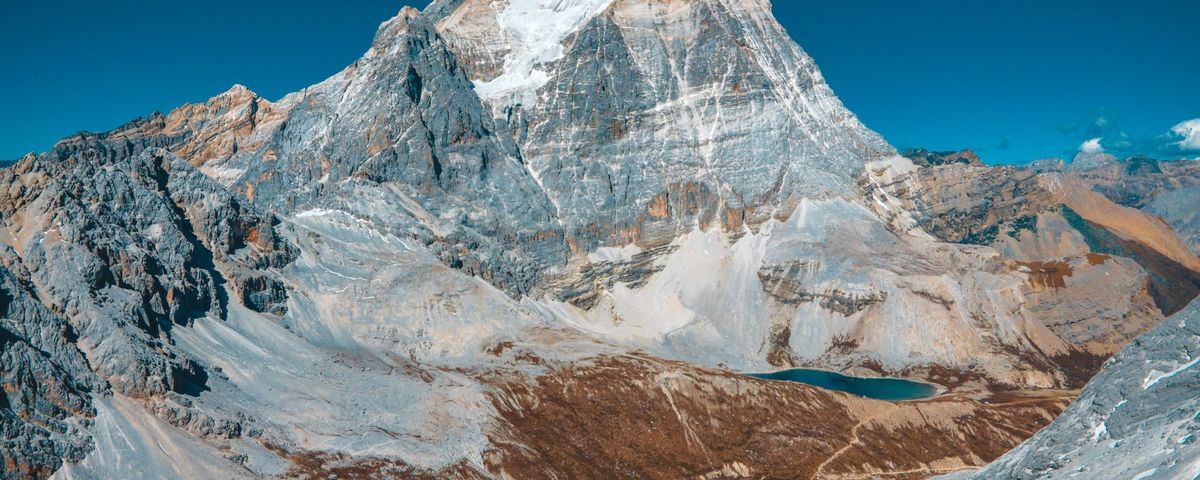
The last 400 metres up to Milk Lake are the hardest — we give them the whole morning.
The 5-day and 10-day versions add or remove from this; you get a day-by-day PDF before departure.
Via Yingxiu and Wolong, over the Balang pass at 4,480m. Arrive at Rilong in the afternoon; altitude starts to climb.
Flat boardwalks the whole way, with shuttle buses. Back to town in the afternoon to save energy for tomorrow.
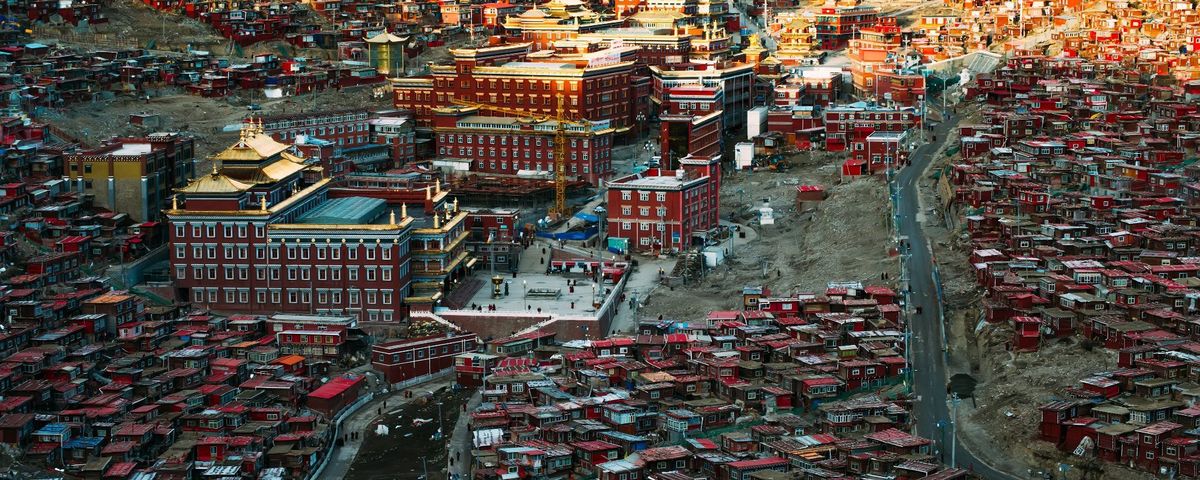
A day of descending. Stay in the Tibetan village and eat with the family in the evening.
The biggest gain of the trip (2,100 → 4,000m). Oxygen in the vehicle, no evening activity scheduled.
The stupa in the morning; sit in on a public teaching in the afternoon if you want. Panorama from the viewpoint at dusk.
Via Luhuo and Dawu, descending most of the way. Xinduqiao's light and barley fields are the best stretch in Sichuan.
Over the Ga'er and Jianziwan passes, arriving at Shangri-la Town in the afternoon. Early night — tomorrow is the main event.
The last 400 metres from Luorong pasture to Milk Lake are the steepest part of the trip. We give them the whole morning and don't rush.
7–9 seat van or 4WD depending on group size. Roads here are better than in Tibet, but we still use high-clearance vehicles in the rainy season.
Four-star standard in county towns; a character guesthouse in Jiaju village (private bathroom, heated). Seda is the simplest night of the trip — we tell you that in advance rather than apologise on arrival.
This is the practical advantage of Sichuan: no Tibet Travel Permit, no border permit, no lead time on paperwork. You fly or rail into Chengdu and go. It also means this route works for short holidays.
The route tops out around 4,500m, so reactions are less likely than in Tibet — but the night at Seda (4,000m) still deserves attention. Oxygen and an oximeter travel in the vehicle.
Entry to the valley is by quota and can't be guaranteed. If we don't get slots, we reroute via Barkam or Guanyinqiao and refund the difference.
The Milk Lake section gains 500 metres — the only genuinely strenuous stretch on the route. Horse hire is available or you can skip it. Nobody is obliged to summit.
Not included: flights or rail to and from Chengdu, main meals, personal expenses, single-room supplement, horse hire. You get the itemised list before signing.
Yes — of our three routes this is the one we recommend for older family members. We've had 65-year-old travellers complete the full 8 days. The conditions are a normal check-up result and an ascent slow enough to be comfortable.
October is the peak: autumn colour, clear skies, stable roads. April–May for rhododendron against snow. July–August has higher landslide risk but fewer people. Winter needs snow chains on some sections.
You can hire a horse for the Milk Lake section (extra cost) or wait at Luorong pasture. We never hurry anyone, and "reaching the top" isn't one of our selling points.
None. No Tibet Travel Permit, no border permits — just your passport and Chinese visa. This is the easiest of our three routes to organise at short notice, and the reason it suits travellers with five or six days.
Yes — an English-speaking guide leads every Sichuan trip. In Tibetan villages your host family may speak only Tibetan or Mandarin; your guide translates throughout.
Within 4 hours, an advisor who has walked this route contacts you