3,650 to 5,600 metres. Nine to fifteen days, paced to your fitness — two days to acclimatise, then into the mountains, one spare day held back at the end. No night driving, no compressing the acclimatisation days.
Ordered low to high by altitude, not by fame — your body's adaptation matters more than the checklist order.

We hold the spot on Yaowang Hill 40 minutes before sunrise, so you get the shot without the queue.

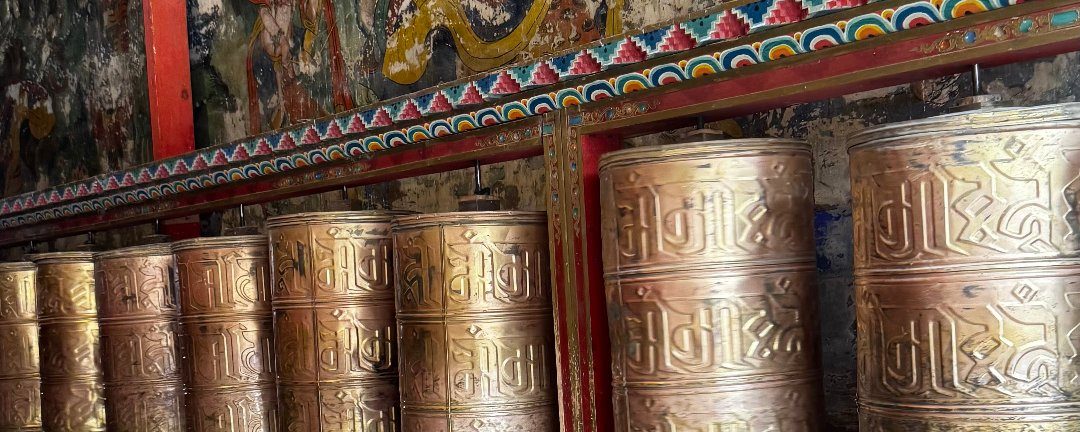
Early morning on the kora circuit, with a guide who explains the murals and the butter lamps as you walk.

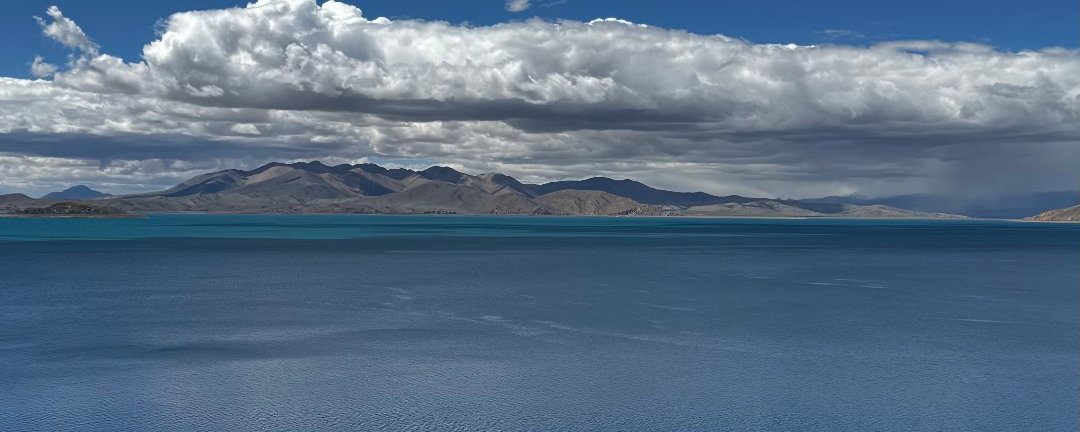
The holy lake facing Kailash. The kora and the lake circuit can be scheduled into the same trip.

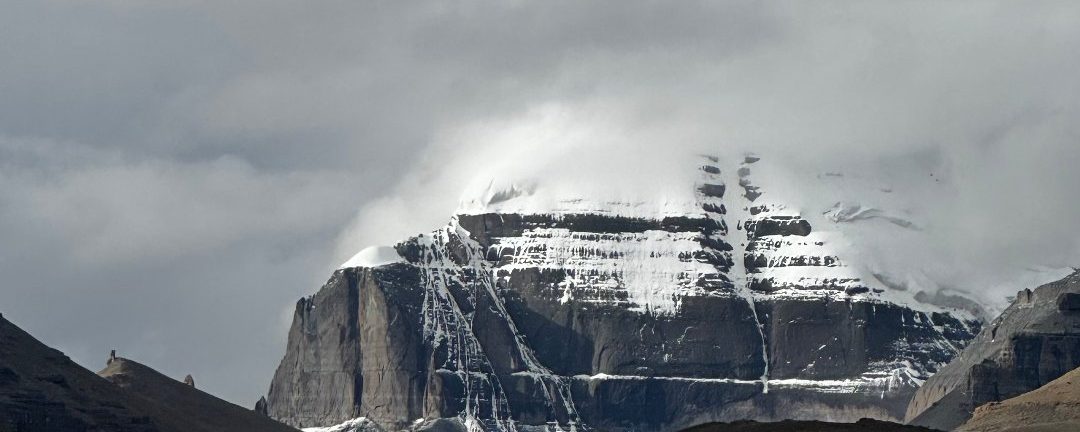
The 52 km outer kora split over two days, with a night at Zheri Monastery in between.

We arrive in the afternoon and stay until the summit turns gold, then descend.

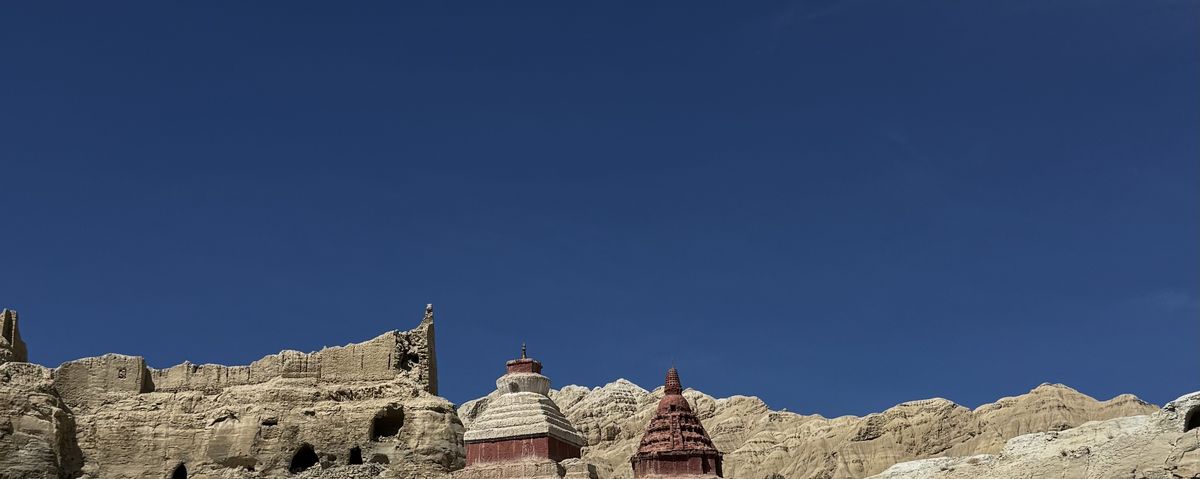
We enter the canyon an hour before sunset, when the light cuts the clay into red and gold.
The full 13-day version. The 9-day and 15-day versions add or remove from this; you get a day-by-day PDF before departure.
Airport pickup, then rest all day. No shower, no walking around, no alcohol. Your advisor visits in the evening to check blood oxygen.
Sleep in, then keep walking under 2 km in the afternoon. One slow circuit of the Barkhor.
Over the Kamba La pass at 4,990m, stopping no longer than 20 minutes. You sleep lower that night.
Pelkor Chode's stupa in the morning, Shigatse in the afternoon. Deliberately slow.
Altitude climbs noticeably today. Oxygen stays on standby and we check blood oxygen every two hours.
Many people ask why we stop in Saga. It's so your body banks enough reserve before the kora.
Arrive in the afternoon, check porters and gear, early night. Kailash is outside your window.
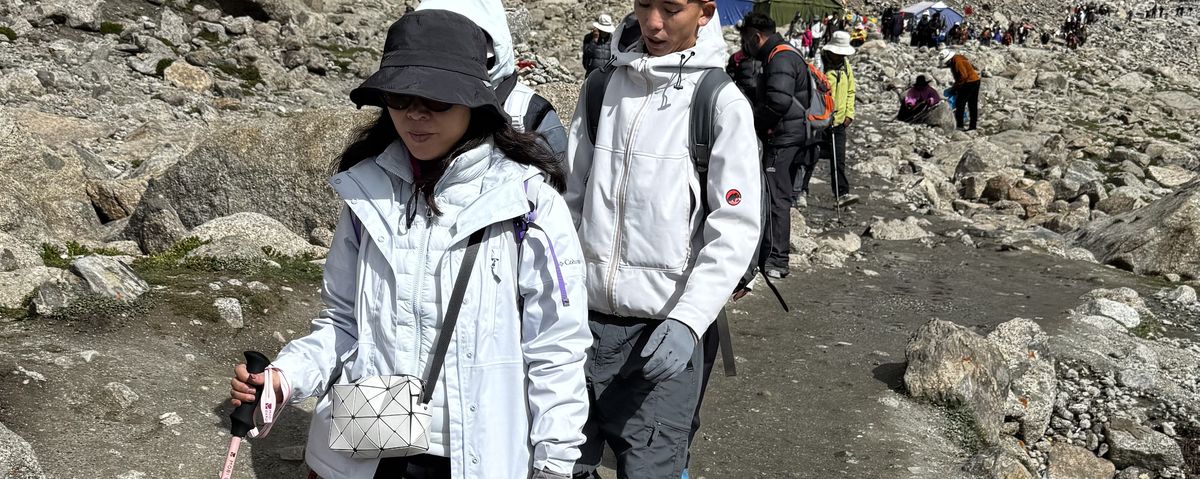
Darchen to Zheri Monastery, a gentle climb. One porter per traveller — you carry water and a camera.
30 km crossing the 5,630m pass. We leave before dawn and clear the pass before sunrise, when the wind is lowest.
A recovery day, entirely by vehicle. Evening light in the clay canyon.
Up before dawn for the ruins, visit through the morning, return in the afternoon.
Altitude drops all day and your body will feel it.
Back along National Highway 318. A spare day is built in: if weather cost us time earlier, this is where we recover it.
There is no five-star every night on the Ngari route. We write out the standard for each night so nothing surprises you on arrival.
Toyota Land Cruiser or equivalent 4WD, two to three travellers per vehicle so there's legroom. On-board oxygen concentrator and satellite phone in each vehicle; two drivers rotate on long legs.
Lhasa and Shigatse: solid four-star standard. Saga and Darchen: the best hotel in town (private bathroom, in-room oxygen). The two kora nights are dormitory beds or tents at Zheri Monastery — we don't dress that one up.
Naming the risks costs us ten minutes; explaining them afterwards costs ten times that. These are the four we raise with every traveller.
Foreign passport holders cannot travel in Tibet independently. We apply for the Tibet Travel Permit, the Alien's Travel Permit and border permits on your behalf — send clear passport and visa scans at least 20 working days before departure (30 for Ngari). No permit, no entry: this is the single most common reason trips fall through.
Around one in three people get headache or insomnia above 4,500m. Medical oxygen, oximeters and altitude medication are standard in every vehicle, and we hold a fast-track arrangement with the regional people's hospital. Descending is always the first option.
July–August is monsoon season: landslides close roads and the kora can be restricted without notice. We hold one spare day per trip and send you a fallback plan 48 hours before departure.
Severe hypertension, heart conditions or active asthma rule out routes above 5,000m. We ask for a check-up first and will tell you if we think the itinerary should change — including telling you not to go.
Not included: international and domestic flights to Lhasa, main meals (your guide takes you where locals eat; pay as you go), personal expenses, single-room supplement. You get the itemised list before you sign a contract, and nothing is added afterwards.
No. Tibet requires all foreign travellers to be booked through a registered agency and to hold a Tibet Travel Permit; the permit is checked at the airport, at hotels and at road checkpoints. We handle it, but it needs your documents in advance — 20 working days minimum, 30 for Ngari.
Yes. Your trip is led by an English-speaking guide, and our co-founder Drolma Yangzom (Tibetan, Mandarin, English) oversees Tibet routes. In remote villages your driver may only speak Tibetan or Mandarin — your guide is always with you to translate.
Altitude sickness is not the same as danger, but it has to be taken seriously. Our method is enough acclimatisation days, oxygen in the vehicle and daily oximeter checks — not pushing through. If symptoms escalate, descending comes first. An itinerary can be changed; a person can't be gambled with.
Three hard costs: vehicles we own rather than rent in peak season, certified local guides rather than part-time drivers, and groups of 2–8 rather than a 20-seat coach. Cut any one of those and the price drops — and so does what's available when something goes wrong.
May–June and September–October: clear skies, stable roads, moderate temperatures. July–August is greenest but monsoon brings landslide risk. November–April is very cold with sections closed; we don't recommend Ngari in winter.
We split the 52 km circuit over two days with a night at Zheri Monastery. You can ride a horse over the pass (extra cost) or wait at Darchen for the group. Nobody is hurried along.
We've taken many travellers in their sixties on the Sichuan routes. For Tibet we suggest under 65 and a normal check-up result. Children under 6 shouldn't go above 4,500m.
Yes. Before departure you get a draft that can be revised, not a fixed product. During the trip, if weather or roads force a change, your guide adjusts on the spot and tells you upfront if it costs anything extra.
Within 4 hours, an advisor who has walked this route contacts you