Ten days, from Bronze Age masks to 1920s mansion streets to the teahouse where the city still sits down every morning. Nothing here requires a mountain boot — but every stop comes with a lecturer who actually knows the subject: how the bronze was cast, how the water was split, why the fortress was built this way, why these mansions survived.
We deal in evidence, not legend: how the bronze was cast, how the water was divided, why the Qiang built this way, why these mansions are still standing.
A booked lecturer, not an audio wand. Where the Shu civilisation came from and how the bronze was actually made.
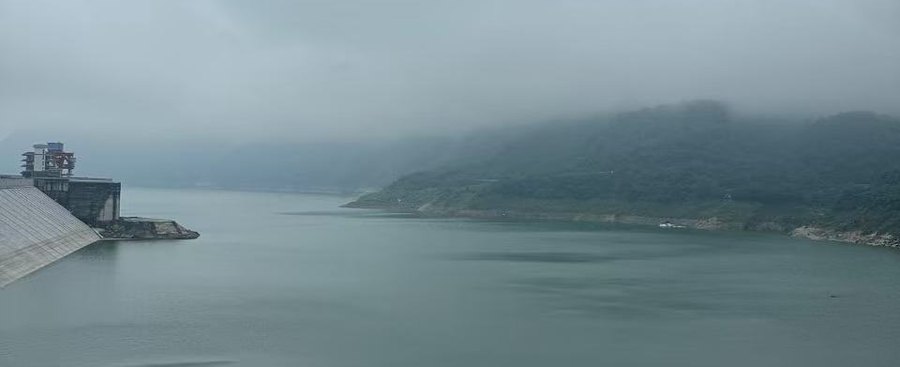
Still working after two thousand years. How the fish-mouth weir splits the river — and how that created the plain Chengdu sits on.
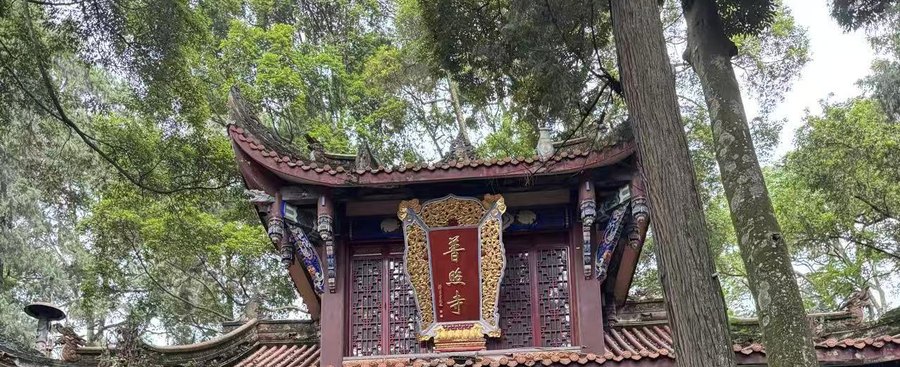
Taught by a direct disciple of the Qingcheng lineage. Not a demonstration — you do the form yourself.
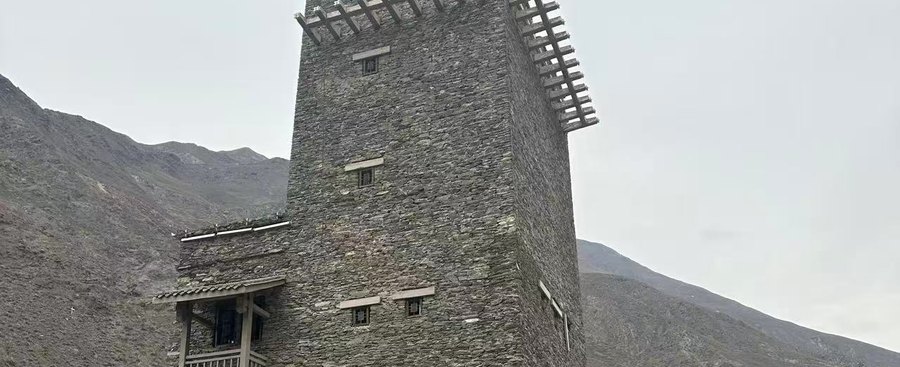
Millennium-old watchtowers, a maze of alleys, an underground water network, and the white-stone cult behind it all.
China's best-preserved cluster of 1920s–40s mansions plus a private museum complex, guided by museum staff.
A morning in a century-old teahouse, an afternoon on the Su father and sons. High literature and ordinary life in one day.
Length and order are adjustable. A November departure exists as a working template; you get a day-by-day PDF before you fly.
Airport pickup, check in. Dinner at a century-old Sichuan kitchen in Wenshu Fang — the 24 flavour profiles of Sichuan cooking, explained.
Three hours with a museum lecturer at Sanxingdui; afternoon at Dujiangyan, with the hydrology explained on the drive. Farmhouse lunch, local Sichuan dinner.
Morning Tai Chi class (1–1.5 hours); afternoon in Qingcheng Mountain, on how Taoism took root in Sichuan. Vegetarian lunch at a Taoist temple.
Morning on the old Zhaogong trail (the god-of-wealth cult and mountain deity belief); afternoon guided through Taoping fortress. Qiang family dinner.
Half-day easy walk to Dragon King Lake and Panther Lake with a guide on the mountain ecology; afternoon drive to Anren's mansion street.
Republican-era architecture at Anren, the Jianchuan museum cluster with museum guides, the Liu family manor, then Meishan.
Pickle museum with a hands-on session, the Three Su shrine with a 2–3 hour lecture, the Jiangkou sunken-silver museum, then an afternoon in Pengzhen's old teahouse.
Du Fu's thatched cottage, Huanhua Brook, Qingyang Palace; a Shu brocade workshop explained by its artisans; evening Sichuan opera — face-changing, fire-spitting, shadow play, rod puppets.
Wuhou Shrine and Jinli Street, an art space, a Chan tea gathering themed on the current solar term, then an evening boat on the Jin River.
End here, or connect directly to the 9-day Yunnan journey — together, 19 days.
14–17 seat coach with driver, fuel and tolls included. Smaller groups can switch to a 7–9 seat van, with the price adjusted accordingly.
Five-star in Chengdu and at Qingcheng, best-available in the county towns. Twin rooms by default; tell us in advance if you need a double.
Nine-tenths of this trip happens in museums, old towns, excavation sites and teahouses. For snow mountains, take the western Sichuan route.
Sanxingdui, Jianchuan and the Three Su shrine lecturers are reserved in advance — at least two weeks ahead in peak season.
Bipeng Valley sits around 3,000 m and it is a half-day easy walk. With older travellers we slow this day down further.
Nineteen main meals on the Chengdu leg, all in restaurants locals actually eat in. Dietary restrictions: tell us, we adjust.
Roughly USD 1,530 at 1 USD ≈ 7.2 CNY; the rate on the day governs. Settlement is in CNY. Combine with the Yunnan leg and the 19 days come to CNY 23,550 per person total, connecting flights included — see Yunnan Cultural Journey, or send us your dates and party size.
Not included: international flights to and from Chengdu, meals not listed, personal expenses (horse riding, alcohol), single-room supplement. You get an itemised list before signing.
No. Apart from day four (Qingcheng to Bipeng), no day exceeds two hours of driving. What is dense here is the content, not the mileage.
Yes — of everything we run, this is the easiest for families. No high-altitude nights, no long hikes, flat ground at museums and old towns.
No. This route needs no border permit and no Tibet Travel Permit — a valid visa is enough. English-speaking leads are available.
March–May and September–November. July and August in Chengdu are humid and wet; we do not recommend them. Winter works, but Qingcheng is cold.
Yes. Ten days or nine days, each stands alone, priced by party size and hotel standard.
Settlement is in CNY. Bank transfer against our invoice, Wise to our CNY account, or Alipay/WeChat Pay bound to an international card. Bank details are sent in writing with the invoice — never to an account we have not named in writing.
An advisor who has actually walked this route replies within four hours